At Solace Palliative Care, we understand the pressures you are under as a family caregiver. This blog is designed to support you in the incredibly important work that you do.
As the Maricopa County experts in family caregiving, we have resources, tips and information that can make your life much easier.
If you would like help, give us a call at: 602-795-2357.
Do you wish for the good old days when doctors made house calls? Many practitioners, including doctors, psychotherapists, physical therapists, occupational therapists, and speech pathologists, are now offering home visits (mobile outpatient services) that do not require your loved one be officially homebound.
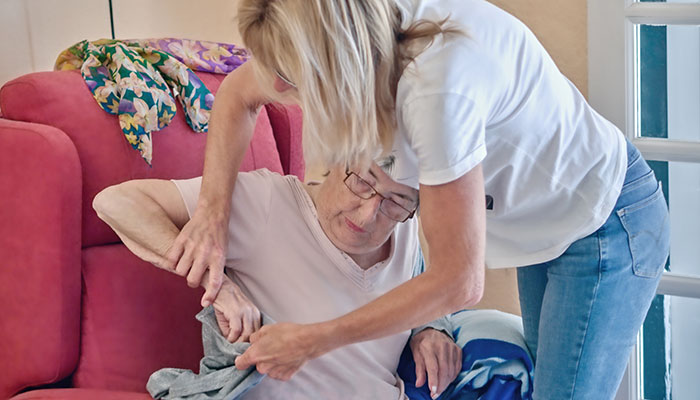
People with conditions that limit movement, such as arthritis and Parkinson’s, often have difficulty dressing themselves. Dementia also makes dressing a challenge. Adaptive clothing enables your relative to do more for themselves, relieving you of a frustrating task and preserving their dignity and self-esteem.
When our immune system overreacts, it’s like a house on fire. This is more common as we age. Our immune system continues to tell our bodies we are being attacked, even when we aren’t, or aren’t any longer. Such “inflammaging”—the tendency in our later years to stay in an internally inflamed state—may be a common link between conditions such as cancer, diabetes, dementia, and heart disease.
While you may feel a move is urgent, the person you care for may not be ready. Don’t push! Instead, do some homework on your own so you are able to act quickly when they decide the time is right.
Between in-person and online support groups, there are many options to choose from. Make a list of your top priorities and then try out a few to see which one fits best.
If you have a disabled relative, perhaps a sibling, you may be asked to serve as the trustee for their “special needs trust.” While this is quite an honor, it’s an immense responsibility. Be sure you have the knowledge and support you will need.
March is National Kidney Month. Fully 15% of Americans have chronic kidney disease. Many are unaware of it. The condition lasts for decades, and symptoms do not appear until it is in the later stages, when irreversible damage has already been done. Should your loved one get checked?
If your loved one is having sleep problems, have them keep a sleep log for one or two weeks and then bring it to the doctor. Untreated sleep problems contribute to depression and memory loss.
These facilities are best suited to older adults who are relatively healthy. They serve as a more affordable alternative to a nursing home for those who need help only with meals, housekeeping, bathing and dressing, and getting around.